International Nonproprietary Name
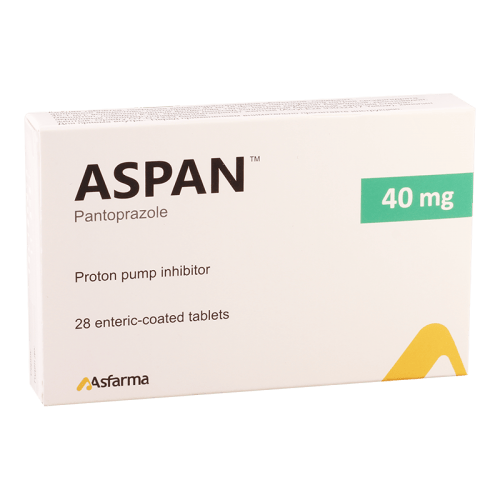
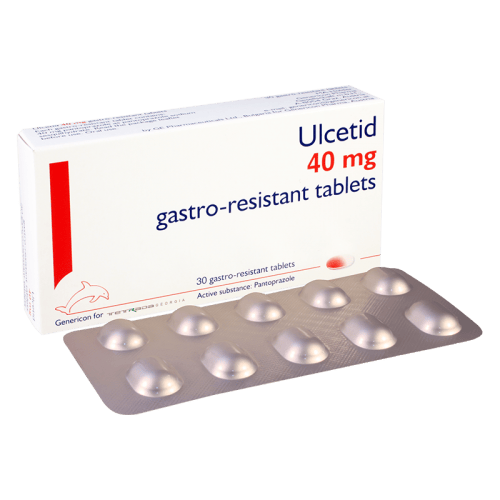
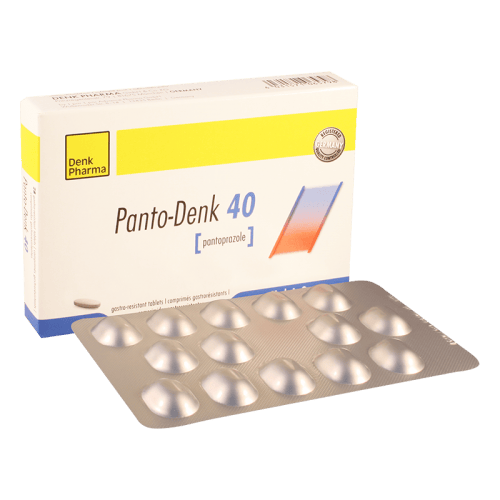
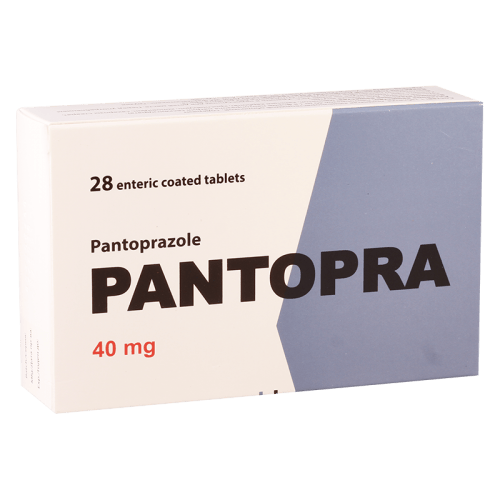
Pantoprazole
Clinical-Pharmacological Group
Gastroenterology, Hepatology → Proton pump inhibitors
Composition
The active substance is:
Indications
Pantoprazole is indicated for:
Dosage and Administration
The medicine is taken:
When taken twice daily:
Adverse Effects
Gastrointestinal system:
Central nervous system:
Allergic reactions:
Rarely:
Other:
Contraindications
Contraindicated in:
Pregnancy and Lactation
During pregnancy and breastfeeding, pantoprazole should only be used when the expected benefit to the mother outweighs the potential risk to the fetus or infant.
During lactation, discontinuation of breastfeeding should be considered.
Special Instructions
The safety and efficacy of pantoprazole in pediatric patients have not been established; therefore, it should not be used in children.
Before and after treatment, endoscopic examination is recommended to exclude malignant gastrointestinal diseases, as pantoprazole therapy may mask symptoms and delay accurate diagnosis.
Concomitant use of pantoprazole may alter the absorption of medicines whose bioavailability depends on gastric pH.
- Pantoprazole sodium sesquihydrate (Pantoprazole Sodium).
- Treatment and prevention of gastric and duodenal ulcer disease;
- Gastric and duodenal ulcer lesions caused by non-steroidal anti-inflammatory drugs (NSAIDs);
- Reflux esophagitis;
- Zollinger–Ellison syndrome and other pathological conditions associated with increased gastric acid secretion;
- Eradication of Helicobacter pylori (in combination with antibacterial therapy).
- The usual therapeutic dose is 40 mg once daily.
- The maximum daily dose is 80 mg.
- Duration of treatment depends on the indication but should not exceed 8 weeks.
- On an empty stomach or during breakfast.
- The second dose should be taken before dinner.
- Diarrhea;
- Nausea;
- Upper abdominal pain;
- Flatulence.
- Skin rash;
- Itching;
- Skin redness;
- Anaphylactic reactions.
- Myalgia;
- Weakness;
- Visual acuity disorders;
- Very rarely:
- Liver function impairment;
- Jaundice;
- Photosensitivity.
- Hypersensitivity to pantoprazole or any component of the medicine;
- Dyspepsia of neurotic origin;
- Malignant diseases of the gastrointestinal tract;
- Children under 16 years of age.
- In patients with impaired liver function, the daily dose should not exceed 20 mg.
- In patients with renal impairment, the daily dose should not exceed 40 mg.
- In elderly patients, the daily dose should not exceed 40 mg.